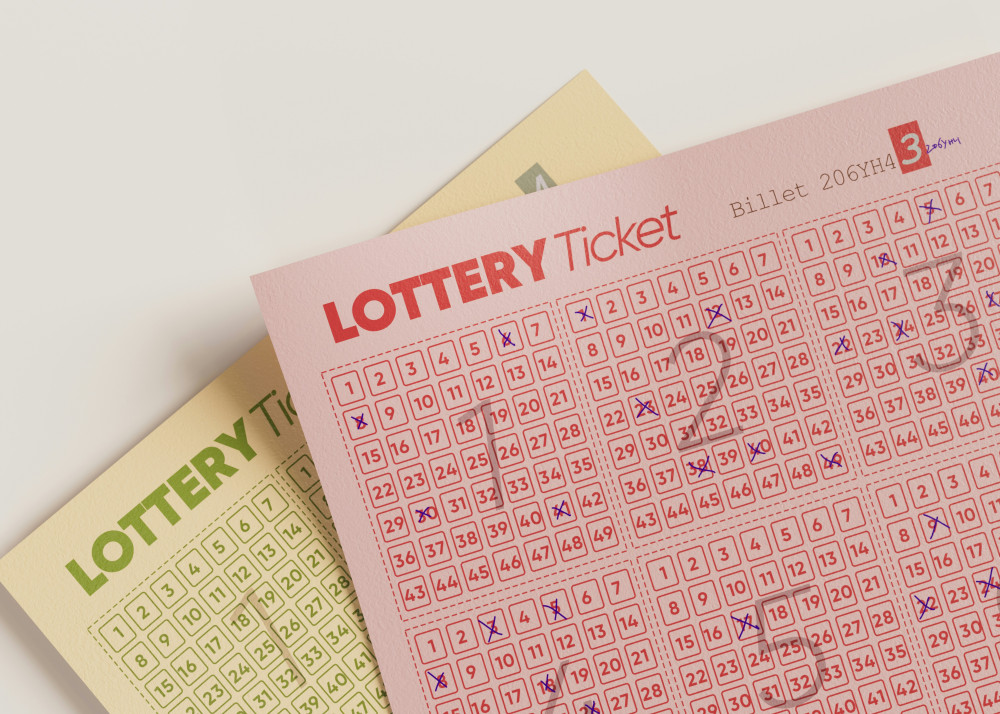
Lotteries That Changed the World: Games with Historical and Cultural Significance

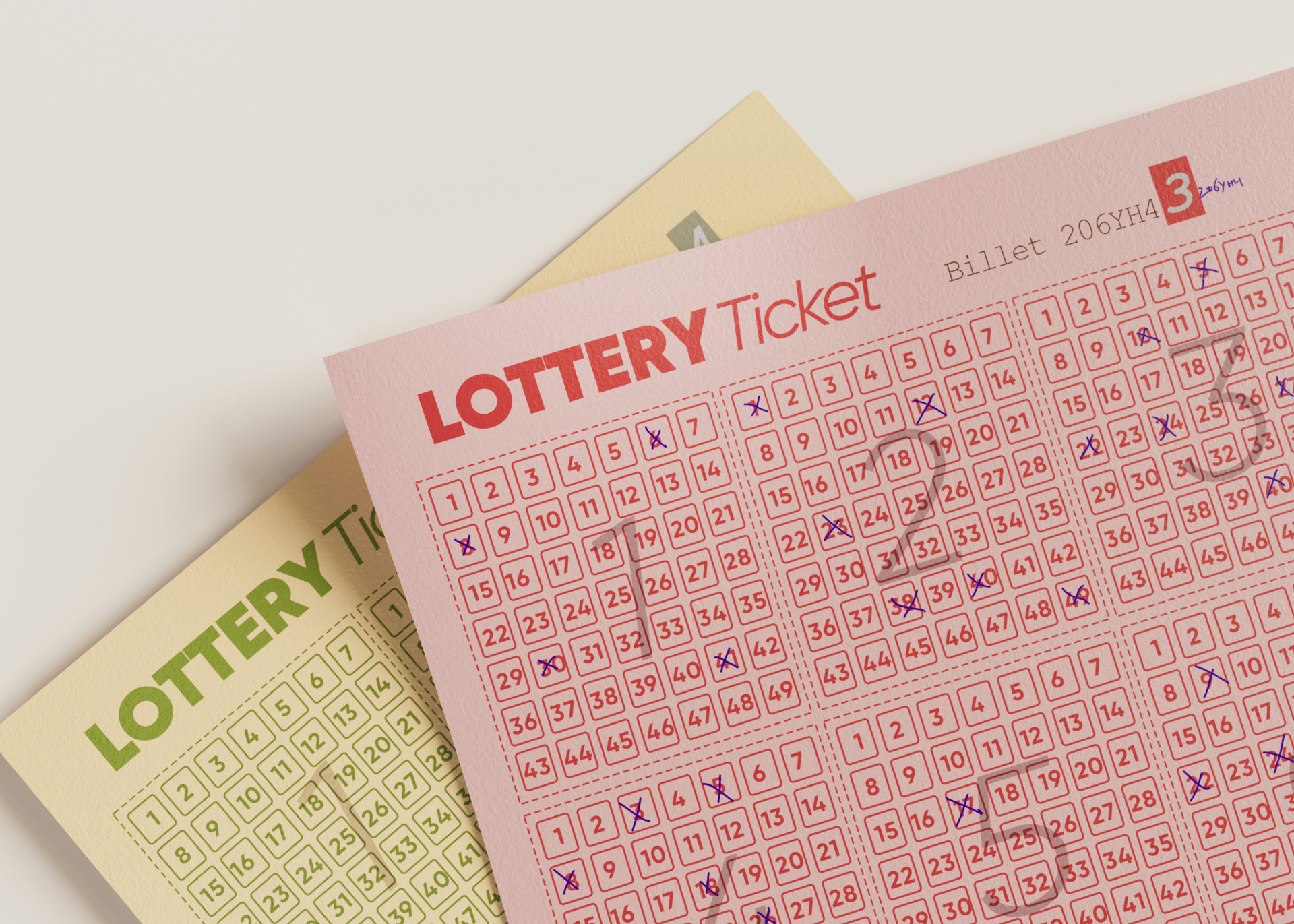
Lotteries That Changed the World: Games with Historical and Cultural Significance
Lotteries are often seen as games of chance – a ticket to dreams of wealth, freedom, or a better life. Yet, throughout history, lotteries have been far more than a path to fortune. They have built cities, funded education, supported art and science, and reflected the hopes and values of societies across the world. From ancient temples to modern welfare states, lotteries have left a lasting mark on human history.
From Ancient Draws to Modern States
The idea of drawing lots to make decisions or distribute rewards is ancient. In China, the “Keno slips” from the Han Dynasty (around 200 BCE) are believed to have helped finance the construction of the Great Wall. In Europe, organized lotteries appeared in the 15th and 16th centuries, when cities like Florence and Bruges used them to raise funds for public works such as bridges, hospitals, and fortifications.
The Dutch “Staatsloterij,” founded in 1726, is one of the oldest still-running lotteries in the world. It was created to regulate gambling and generate revenue for the state – a model that inspired many later national lotteries. The principle was simple but powerful: citizens could voluntarily contribute to public welfare while enjoying the thrill of a possible reward.
Lotteries That Built Nations
In colonial America, lotteries were a vital source of funding for infrastructure and education. With limited taxation systems, the colonies relied on lotteries to build roads, ports, and even universities. Harvard, Yale, and Princeton all benefited from lottery proceeds in the 18th century.
Similarly, in Britain, lotteries helped finance major public projects, including the British Museum and Westminster Bridge. These early examples show how games of chance became tools of nation-building, turning collective hope into tangible progress.
The Indian Context: Tradition and Transformation
In India, the concept of lotteries has deep cultural roots. Ancient texts mention games of chance, and the idea of fate or “bhagya” has long been part of Indian philosophy. However, the modern state lottery system began after independence, when several states introduced lotteries to raise funds for welfare and development.
Kerala was the pioneer, launching India’s first state lottery in 1967. The initiative was designed to provide employment and generate revenue without imposing new taxes. The model proved so successful that many other states followed suit. Today, state lotteries in India fund education, healthcare, and social welfare programs, while also providing livelihoods to thousands of agents and vendors.
From Charity to Welfare
Globally, the 19th and 20th centuries saw lotteries evolve from charitable ventures into structured state-run systems. Governments realized that lotteries could serve as a steady source of funding for public goods. In India, this approach aligned with the broader goal of inclusive development.
For example, proceeds from state lotteries have supported housing schemes, women’s welfare programs, and disaster relief funds. In this way, the lottery became not just a game, but a mechanism for social progress – a democratic form of fundraising where every ticket contributes to the common good.
Læs også:


Lotteries in Culture and Imagination
Beyond economics, lotteries have inspired countless stories, films, and works of art. They symbolize luck, destiny, and the human desire for transformation. In Indian cinema, the lottery ticket often appears as a metaphor for hope – a small piece of paper that can change a life overnight.
The weekly draw, the suspense of the numbers, and the shared conversations about “what if I win?” create moments of collective excitement. These rituals connect people across regions and generations, turning a simple game into a cultural experience.
Debate and Responsibility
Despite their benefits, lotteries have also faced criticism. Some argue that they can disproportionately affect lower-income groups, who may spend more in pursuit of a dream. Others question the ethics of governments promoting gambling.
In response, many states have introduced strict regulations and awareness campaigns about responsible play. The focus has shifted toward transparency, fairness, and ensuring that the proceeds genuinely serve public welfare. In India, digitalization and better oversight have made state lotteries more accountable and secure.
A Legacy That Endures
From ancient China to modern India, lotteries have evolved but their essence remains unchanged: they combine the thrill of chance with the promise of collective benefit. They have built monuments, funded education, and supported communities – all while keeping alive the universal human dream of luck and change.
When someone in India buys a lottery ticket today, they are not just chasing fortune; they are participating in a centuries-old tradition that links personal hope with public good. Lotteries remind us that even in a game of chance, society can find purpose, unity, and a touch of destiny.
Læs også: