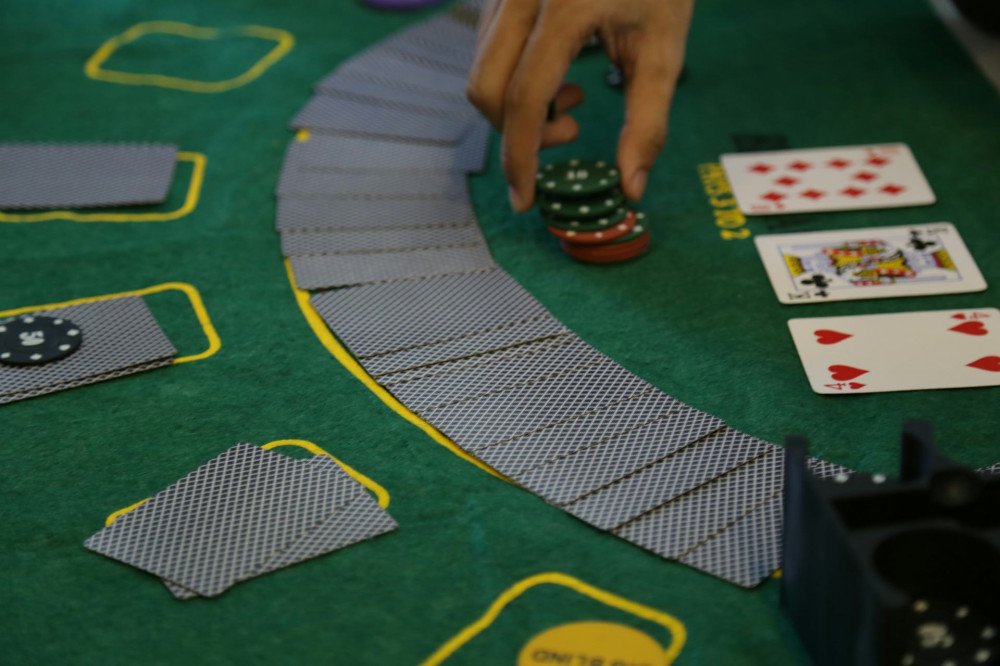
Emotions at the Gaming Table – How Excitement, Frustration, and Hope Influence Your Decisions


Emotions at the Gaming Table – How Excitement, Frustration, and Hope Influence Your Decisions
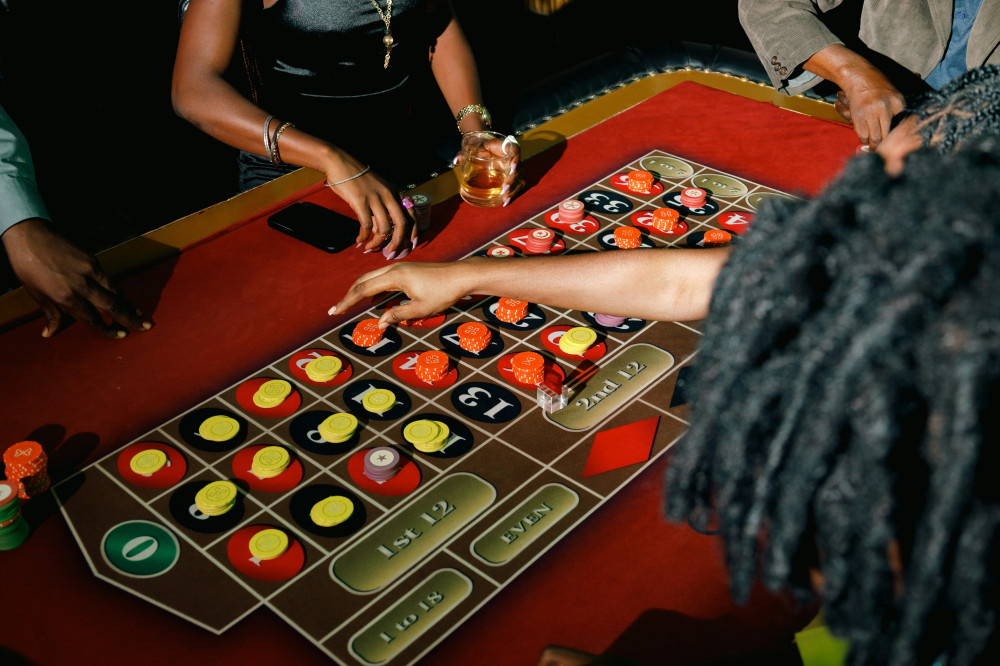
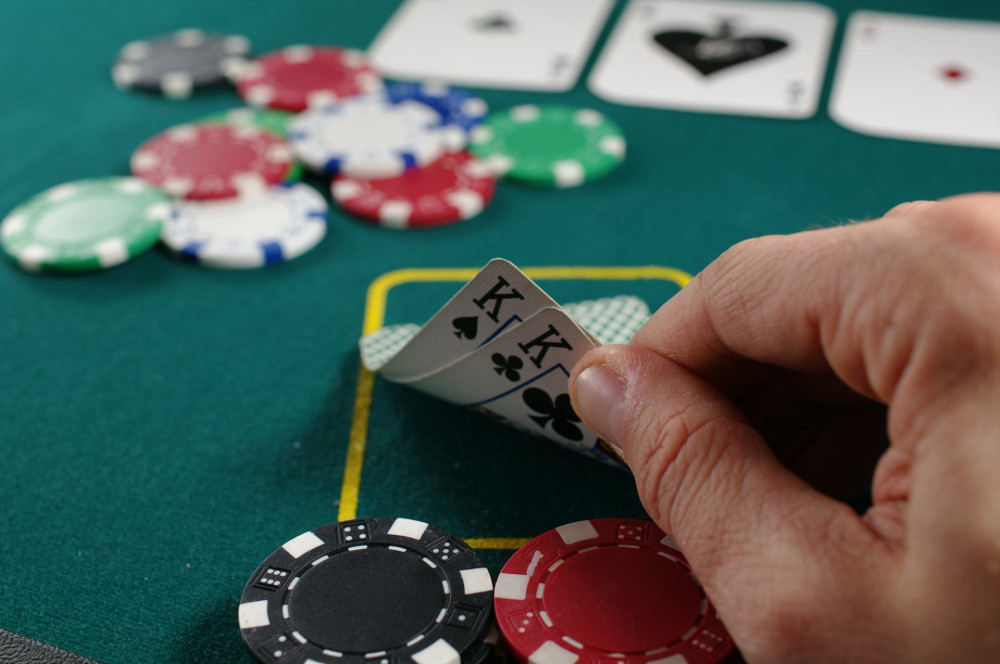
When you sit down at a gaming table – whether it’s poker, rummy, or a round of teen patti – it’s rarely just strategy that determines the outcome. Emotions play a much bigger role than most players admit. Excitement, frustration, and hope can push you to make decisions you wouldn’t normally take. Understanding how these emotions influence you is the key to staying calm and playing with awareness.
The Double Edge of Excitement
Excitement is one of the strongest forces that draws people to gaming. The thrill of turning a card or watching the dice roll is what makes the experience come alive. Excitement can sharpen your focus and make you more alert – but it can also lead to impulsive choices.
When adrenaline kicks in, your brain reacts faster but thinks less rationally. You might bet higher than planned or abandon your strategy in pursuit of a quick win. The best way to handle excitement is to accept it as part of the fun – but keep your limits in place. Set a clear plan for how much you want to play for and when you’ll stop, no matter how the game unfolds.
Frustration – When Losses Hit Hard
No one wins all the time. Losses are an inevitable part of gaming, but how you handle them determines whether you stay in control. Frustration often appears when luck seems to turn against you or when a few bad hands make you lose focus.
That’s when many players fall into what poker players call “tilt” – when emotions take over and rational thinking disappears. You might start betting more aggressively to recover your losses, but that rarely ends well.
A simple but powerful way to fight frustration is to take breaks. Step away from the table, stretch, or get some fresh air. Giving your mind a few minutes to reset helps you return with a clearer perspective.
Hope – The Quiet Driving Force
Hope is perhaps the most subtle yet persistent emotion at the gaming table. It’s hope that makes you place another bet after a losing streak. It’s hope that whispers, “Maybe this next hand will change everything.”
Hope can be positive – it keeps you motivated and makes the game enjoyable. But it can also become a trap if it blinds you to reality. When hope turns into the belief that “my turn to win must be next,” you move away from strategy and into wishful thinking.
Keeping hope realistic means understanding the nature of the game. Outcomes are random, and no strategy can guarantee a win. Once you accept that, hope becomes part of the experience – not the force that drives your decisions.
Finding Emotional Balance
The best players aren’t those who never feel anything, but those who understand their emotions and use them wisely. Excitement can energize you, frustration can teach patience, and hope can keep you engaged – but only if you maintain balance.
A good mindset is to treat gaming as entertainment, not as a way to make money. When you see it as an experience rather than an investment, it becomes easier to handle both wins and losses with composure.
Training Your Mental Strength
Playing consciously requires mental discipline. Here are a few simple techniques you can practice:
- Set a gaming plan – decide your budget and time limit before you start.
- Observe your reactions – notice how you respond to both wins and losses.
- Practice stopping in time – knowing when to walk away is a skill that improves with experience.
- Use breaks wisely – a few minutes away can prevent poor decisions.
- Reflect after playing – think about what went well and what you’d like to change next time.
By working on your mental approach, you can’t remove emotions from gaming – but you can learn to manage them so they don’t manage you.
Læs også:

Play with Awareness, Not Impulse
Emotions at the gaming table are inevitable, but they don’t have to be your enemies. When you learn to recognize the rush of excitement, the sting of frustration, and the pull of hope, you can make more conscious decisions. That makes gaming not only more enjoyable but also more responsible – and it gives you a better chance to leave the table with peace of mind, no matter the result.
Læs også: