Bingo Across Generations: How Age Shapes the Game’s Charm


Bingo Across Generations: How Age Shapes the Game’s Charm
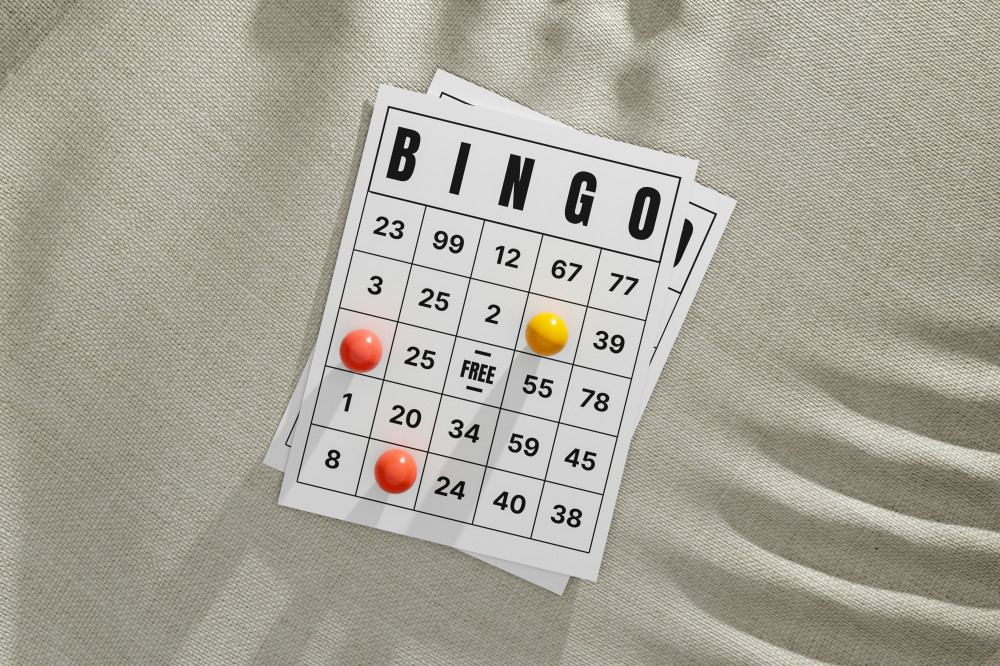
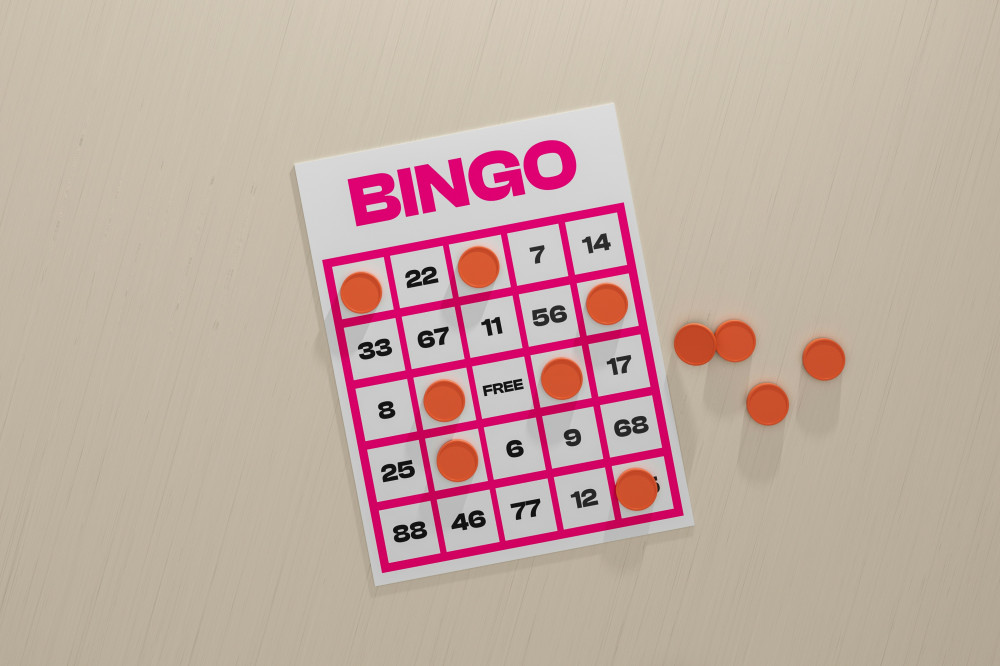
At first glance, bingo seems simple: numbers are called, cards are marked, and excitement builds until someone shouts “Bingo!”. Yet behind those numbered squares lies a game that has travelled through time and across generations, adapting to each age group’s rhythm and values. For some, it’s a social ritual; for others, a nostalgic pastime or a trendy new form of entertainment. Bingo’s enduring charm lies in how it evolves with us.
A Game with Roots and Rhythm
Bingo’s origins stretch back centuries, but in India, it found its own flavour through community gatherings, clubs, and family events. In the decades after independence, bingo—often known locally as “Housie” or “Tambola”—became a favourite at housing society get-togethers, school fundraisers, and festive celebrations. It wasn’t just about winning prizes; it was about laughter, conversation, and the thrill of waiting for that one missing number.
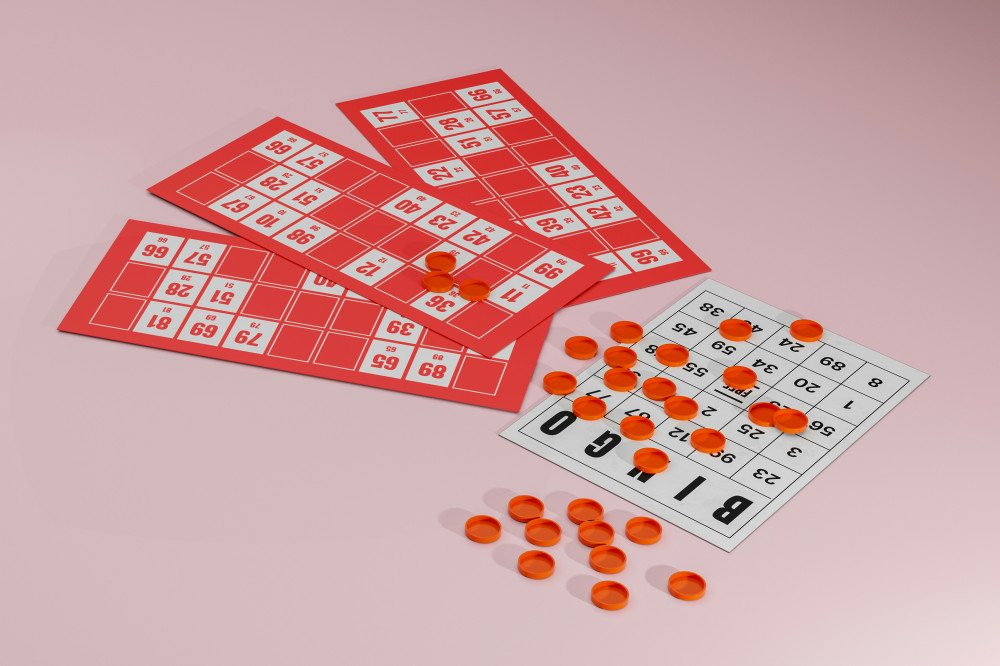
For many older Indians, bingo is tied to memories of neighbourhood camaraderie and simple joys. The sound of numbers being called, the rustle of paper tickets, and the friendly teasing among players create a comforting rhythm. It’s a reminder of a time when entertainment was communal, not digital.
The Young Generation’s Rediscovery
In recent years, younger Indians have rediscovered bingo—but with a twist. The game has moved from community halls to cafés, offices, and online platforms. “Musical Housie” nights, themed bingo parties, and app-based versions have made the game trendy again. For millennials and Gen Z, it’s less about the prizes and more about the experience: music, humour, and connection.
For many young players, bingo carries a sense of nostalgia. It’s a playful nod to their parents’ or grandparents’ pastimes, reimagined for a digital age. Where earlier generations sat with paper tickets and pens, today’s players might tap their screens while sipping coffee or chatting on video calls. The essence remains the same, but the atmosphere has changed.
A Bridge Between Generations
One of bingo’s greatest strengths is its ability to bring people of all ages together. The rules are simple, and luck levels the playing field. Grandparents, parents, and children can all join in without needing special skills. In a world where entertainment often divides by age, bingo remains one of the few games that unites families and communities.
When a grandmother and her grandchild sit side by side, each with their own card, something special happens. The game becomes a shared space where age doesn’t matter—only the joy of participation does. That’s where bingo’s true charm lies: in the laughter, suspense, and togetherness it creates.
From Paper to Pixels – But the Same Pulse
Technology has transformed how we play. Online bingo and mobile apps have made it possible to join a game anytime, anywhere. For some older players, this shift has been challenging; for others, it’s a new way to stay connected with friends and family. Many digital platforms even include chat features, recreating the friendly banter of traditional games.
For younger players, the digital format feels natural. They see bingo as a quick, fun break from daily routines—a game that fits into their fast-paced lives while still offering a sense of community. Whether played on a phone or in a club, the heartbeat of bingo remains the same: anticipation, excitement, and shared joy.
Læs også:


Why Age Matters
Age shapes how we experience bingo because it reflects what we seek in our social lives. For older generations, it’s about tradition, comfort, and companionship. For younger ones, it’s about novelty, energy, and playfulness. Yet for everyone, the essence is connection—the feeling of being part of something, however small.
Bingo, in the end, is more than a game. It’s a mirror of life’s stages: from childhood curiosity to adult busyness and the calm of later years. No matter where we are in life, we can all find a bit of happiness in those numbered squares and the shared laughter that follows.
Læs også: