Unlocking the lottery secrets: A timeline of chances and fortunes
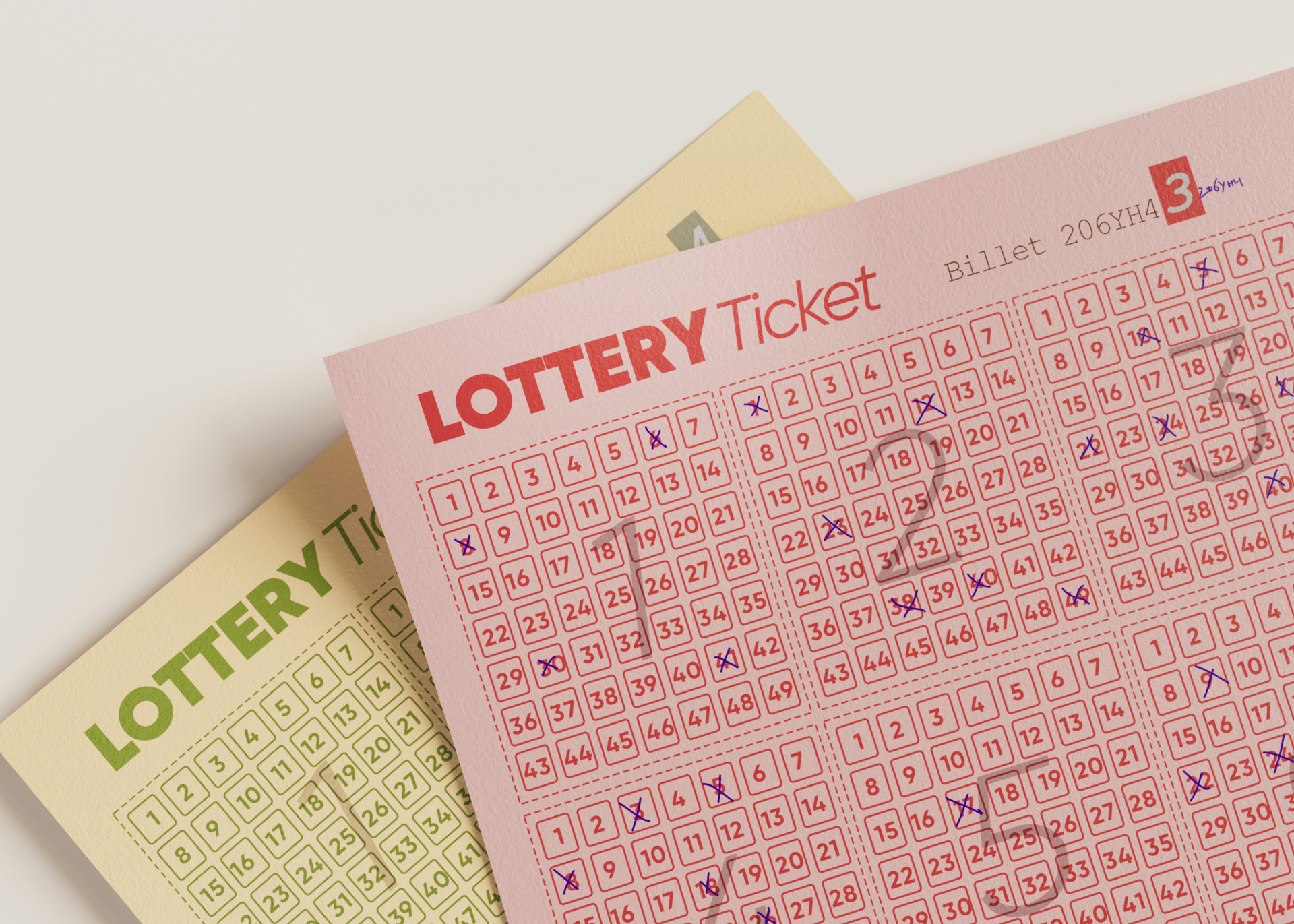
Unlocking the lottery secrets: A timeline of chances and fortunes
Lotteries have captivated the imaginations of people worldwide for centuries. From the thrill of picking the right numbers to the dream of achieving financial freedom overnight, the allure of lotteries is undeniable. This article delves into the history, mechanics, and social impact of lotteries, offering a timeline of chances and fortunes that have marked this intriguing phenomenon.
Early Beginnings of Lotteries
The concept of lotteries dates back to ancient civilizations. Historical records indicate that the Chinese Han Dynasty (circa 205-187 BC) utilized a form of lottery known as “Keno” to fund major government projects like the Great Wall of China. Similarly, the Romans held lotteries to allocate property and slaves.
In medieval Europe, lottery systems emerged as a means of raising funds for community projects and state budgets. The earliest recorded lottery in Europe took place in France in 1539. This laid the groundwork for the more organized lotteries that would follow.
The Rise of Organized Lotteries
By the 17th century, organized lotteries became a hallmark of European culture. Countries like England and the Netherlands created state-sponsored lotteries to finance public works. The famous English Lottery of 1569, for example, offered prizes of a significant value, igniting public interest.
In the United States, lotteries started to make their mark in the 18th century. Many colonies relied on lotteries for revenue. The Continental Congress even used lotteries to fund the American Revolution. These historical moments illustrate the deep-rooted connection between lotteries and public finance.
The Lottery Boom of the 20th Century
The 20th century marked a significant turning point in the history of lotteries. States began to establish official lottery systems to counteract illegal gambling and generate revenue for educational and social programs. In 1964, New Hampshire became the first state to create a modern lottery. This initiative inspired other states to follow suit, and within a few decades, lotteries became prevalent across the U.S.
The creation of multi-state lotteries, like Powerball and Mega Millions, allowed for much larger jackpots, attracting millions of players. The dream of winning life-changing sums of money turned these lotteries into cultural phenomena, with their draws becoming events that captured public attention.
From Strategies to Superstitions: The Psychology of Lotteries
Many players seek strategies to improve their chances of winning. Some choose frequently drawn numbers, while others believe in the significance of lucky numbers. Unfortunately, the reality is that lotteries are games of chance. The odds of winning remain incredibly low, often in the millions to one.
Behavioral economists suggest that the excitement surrounding lotteries taps into cognitive biases. Players often overestimate their chances of winning, leading to compulsive behavior and repeated playing. This psychological aspect is an essential factor driving the lottery industrys success and sustainability.
Impact on Communities and Economies
Lotteries have substantial impacts on local communities and economies. They provide essential funding sources for education, infrastructure, and public welfare programs. In fact, according to the National Association of State Lottery Directors, over $18 billion was contributed to public education across the United States in 2019 from lottery revenues.
However, the reliance on lotteries for funding raises ethical questions. Critics argue that these systems disproportionately affect low-income individuals, who spend a higher percentage of their income on tickets. This paradoxical situation ignites ongoing debates about the morality of promoting lotteries as solutions to financial issues.
Innovations and Future Trends in Lotteries
The advent of technology has transformed the lottery landscape. Online lottery platforms allow players to participate from the comfort of their homes, broadening the audience and increasing revenues. Mobile applications and social media campaigns engage younger demographics, ensuring the continued popularity of lotteries.
As governments become more aware of the potential issues surrounding gambling addiction, many are implementing responsible gambling initiatives. These aim to educate players about the risks associated with lotteries and provide resources for those who may be struggling with compulsive behaviors.
Controversies and Scandals
Despite the charm and allure of lotteries, they are not without controversies. High-profile scandals, such as the infamous 1980s fraud case involving the D.C. Lottery, highlighted vulnerabilities in the system. Trust in these games is crucial, and such incidents can deter public participation.
Moreover, public perception of lotteries ethical implications continues to evolve. As societies discuss the impacts of gambling and the mechanisms of wealth distribution, lotteries find themselves at the center of heated discussions.
As we explore the intricate history and societal implications of lotteries, it’s without a doubt that their allure endures. From ancient practices to modern billion-dollar jackpots, lotteries continue to shape lives, dreams, and societies in significant ways.


